Practical tutorials and comparisons for merchants accepting cryptocurrency.
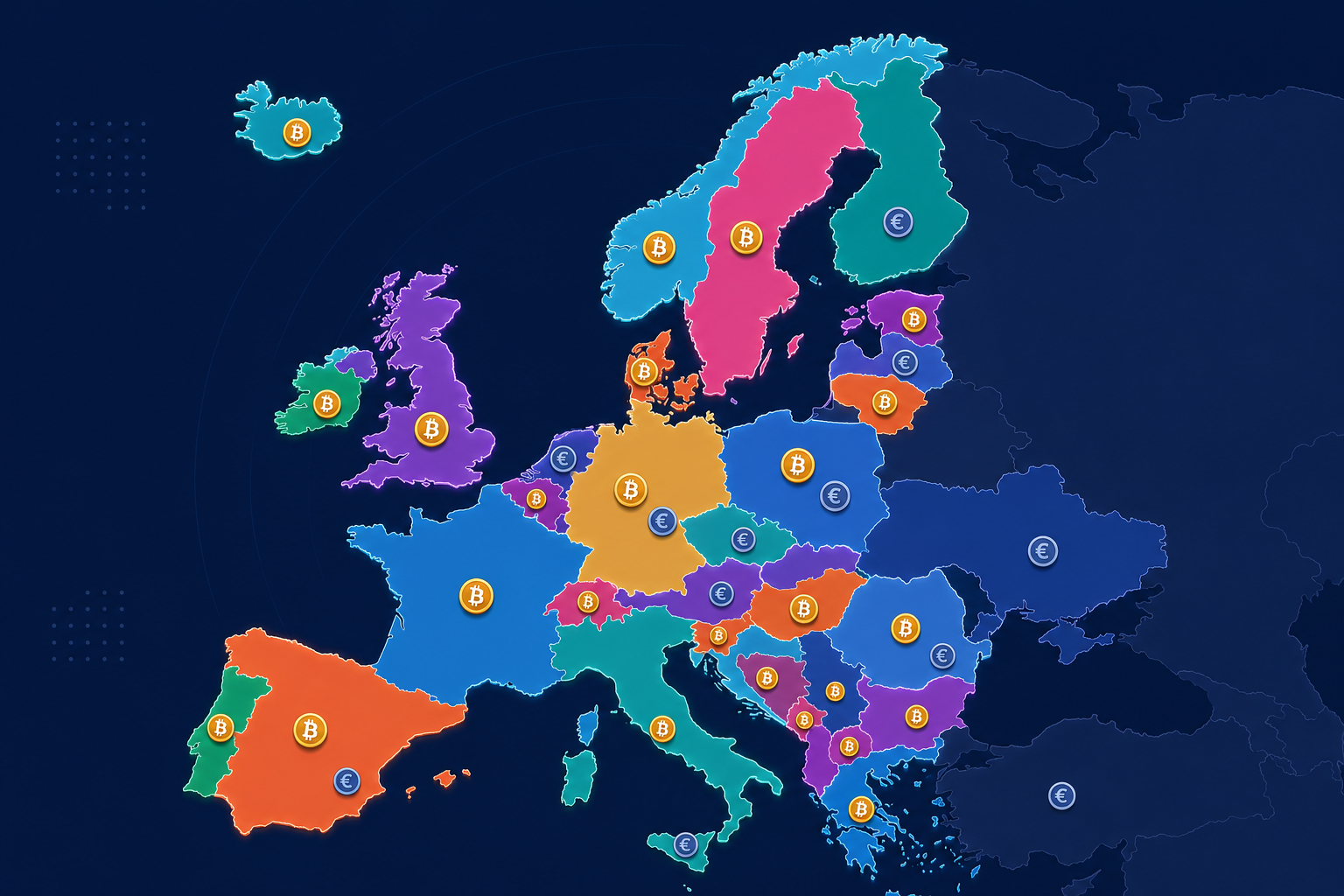
Crypto tax in Europe varies hugely, from Germany's tax-free long-term holding to France's flat 30% rate. This 2026 comparison breaks down rates, exemptions and rules across six major countries.

Reporting crypto taxes means gathering records, calculating cost basis, categorising income, and filing the right forms. This step-by-step 2026 guide walks you through the whole process.

Most crypto losses are not exchange hacks. They are avoidable wallet-security mistakes, from storing a seed phrase digitally to blind approvals. Here are the seven, and how to avoid each.

Not your keys, not your coins describes a real technical truth, not a slogan. A plain-English guide to self-custody and why holding your own keys is what actually protects your funds.

Hardware vs software wallets compared on the threat model that actually applies to merchants - and why your payment processor custody model matters even more than the device.

A hierarchical deterministic (HD) wallet generates thousands of unique addresses from a single seed phrase, and recovers every one from those words alone. Here is how that works and why it matters.

An xPub key lets one extended public key generate unlimited Bitcoin addresses without exposing your private key. It is the reason non-custodial payments work and your funds stay yours.

A clear, no-jargon explanation of what a crypto payment gateway does - from generating a unique address to funds landing in your own wallet - and how custodial and non-custodial models differ.
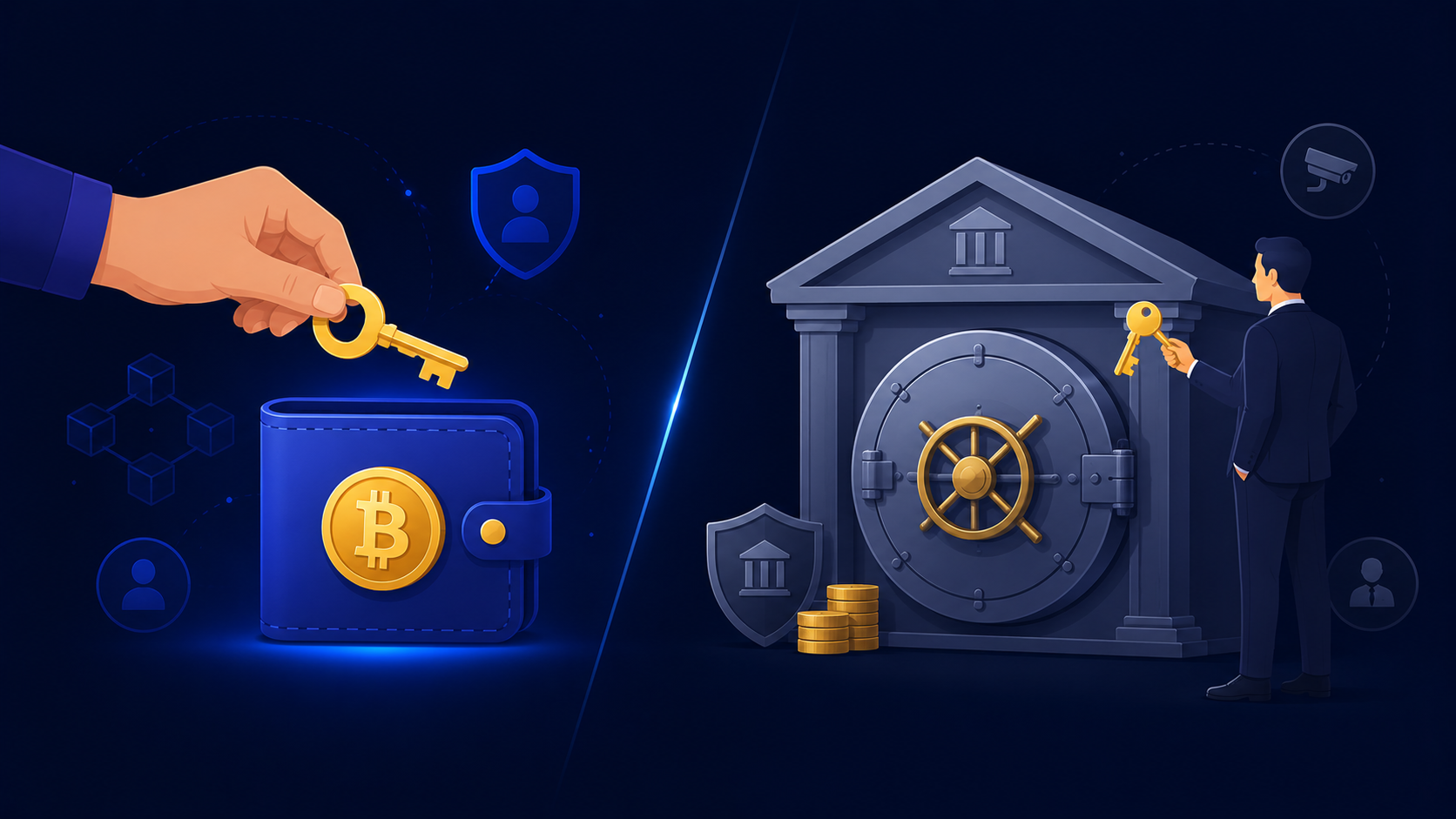
Non-custodial vs custodial crypto payment processors compared. The custody model decides who actually controls your funds - and it matters more than fees.
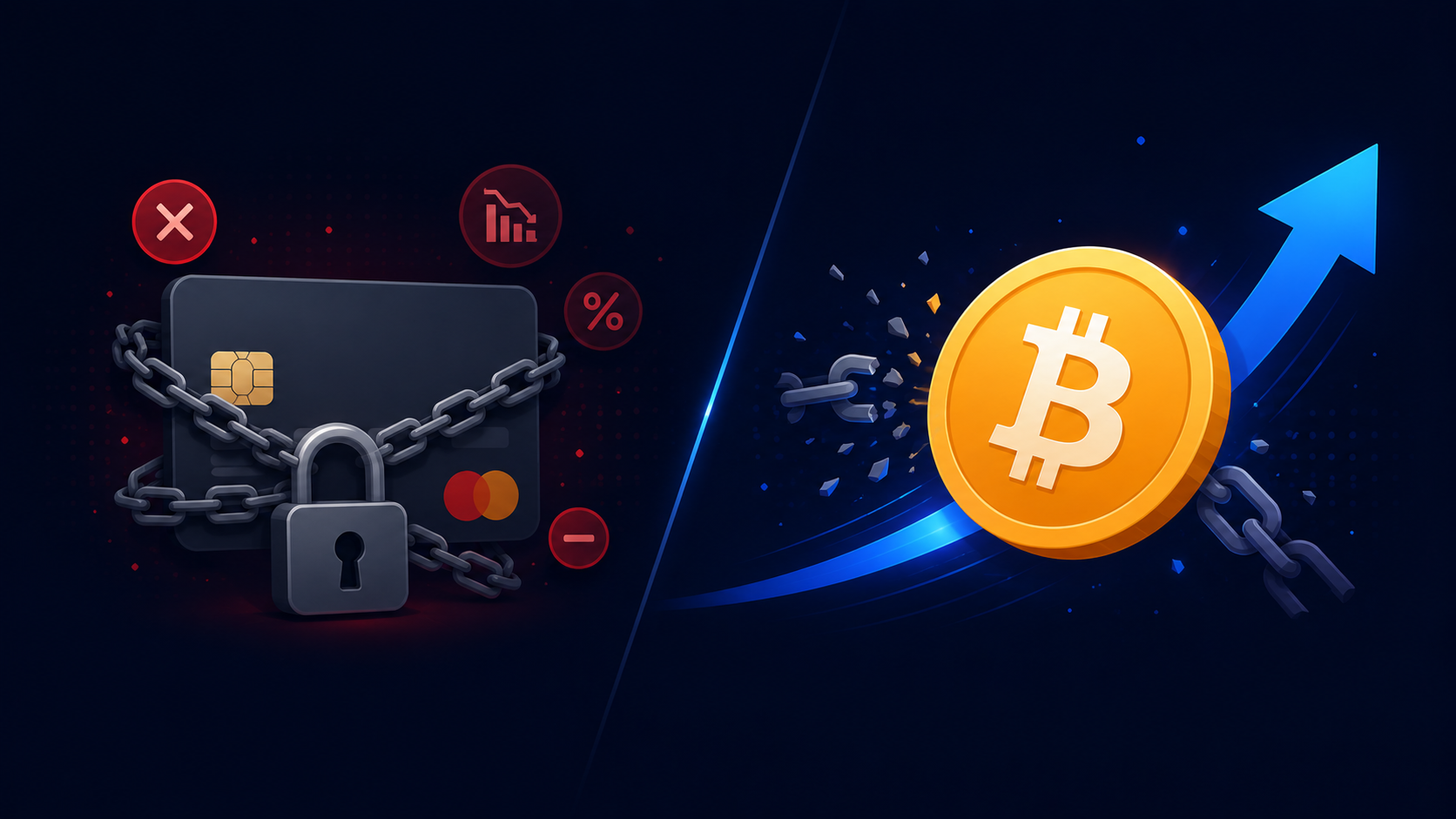
Credit card fees, chargebacks, account holds and fraud quietly add up. Here is an honest, numbers-first comparison of crypto payments vs credit cards for merchants.
Bitcoin vs USDT comes down to volatility versus stability. Here is how the two differ at checkout, fees, settlement speed and customer demand, and which to enable first for your store.
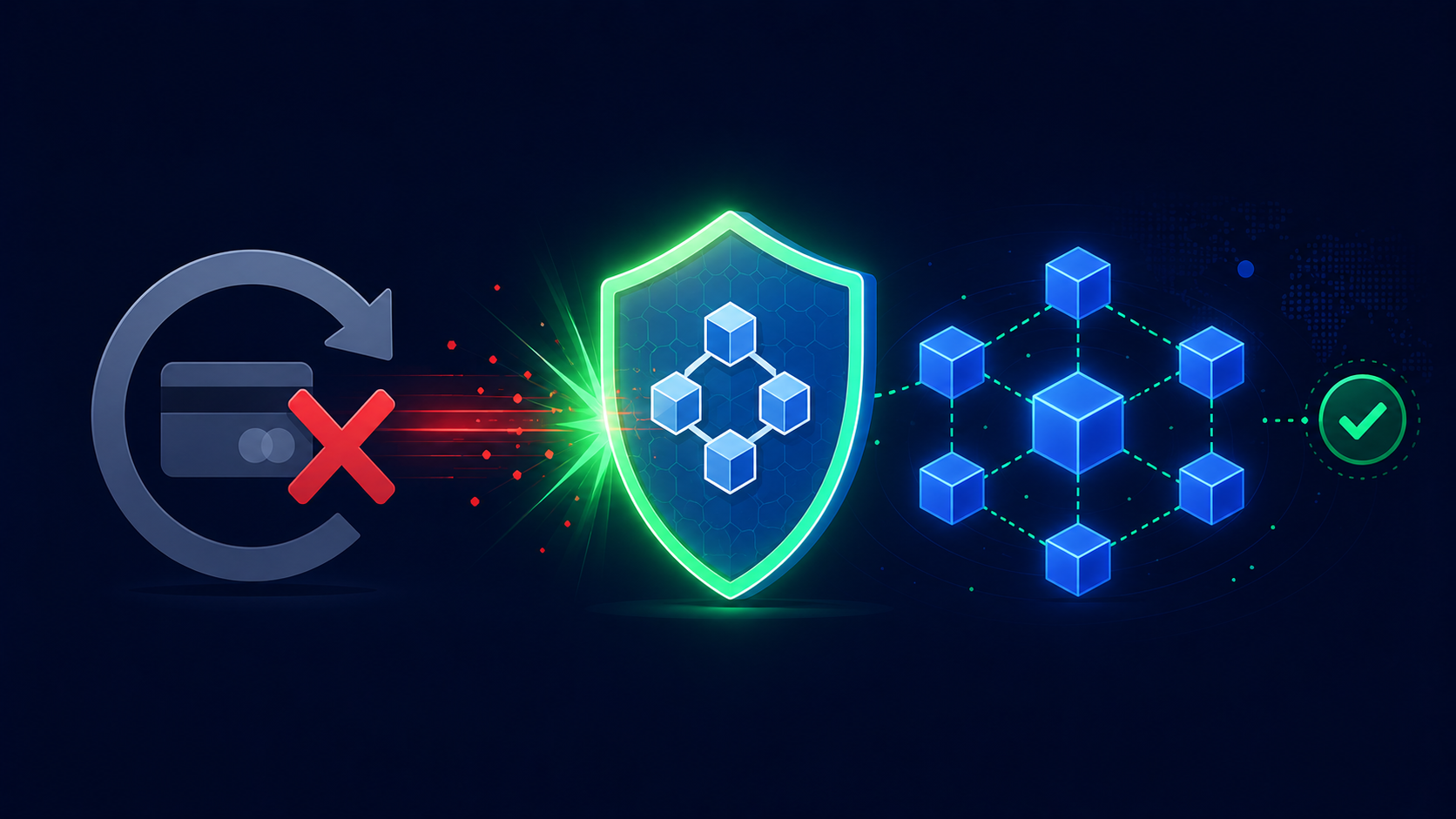
Chargebacks cost merchants $125 billion a year. Crypto payments eliminate chargebacks by removing the mechanism that makes them possible. Here is how and why.

 GriffNode