Practical tutorials and comparisons for merchants accepting cryptocurrency.
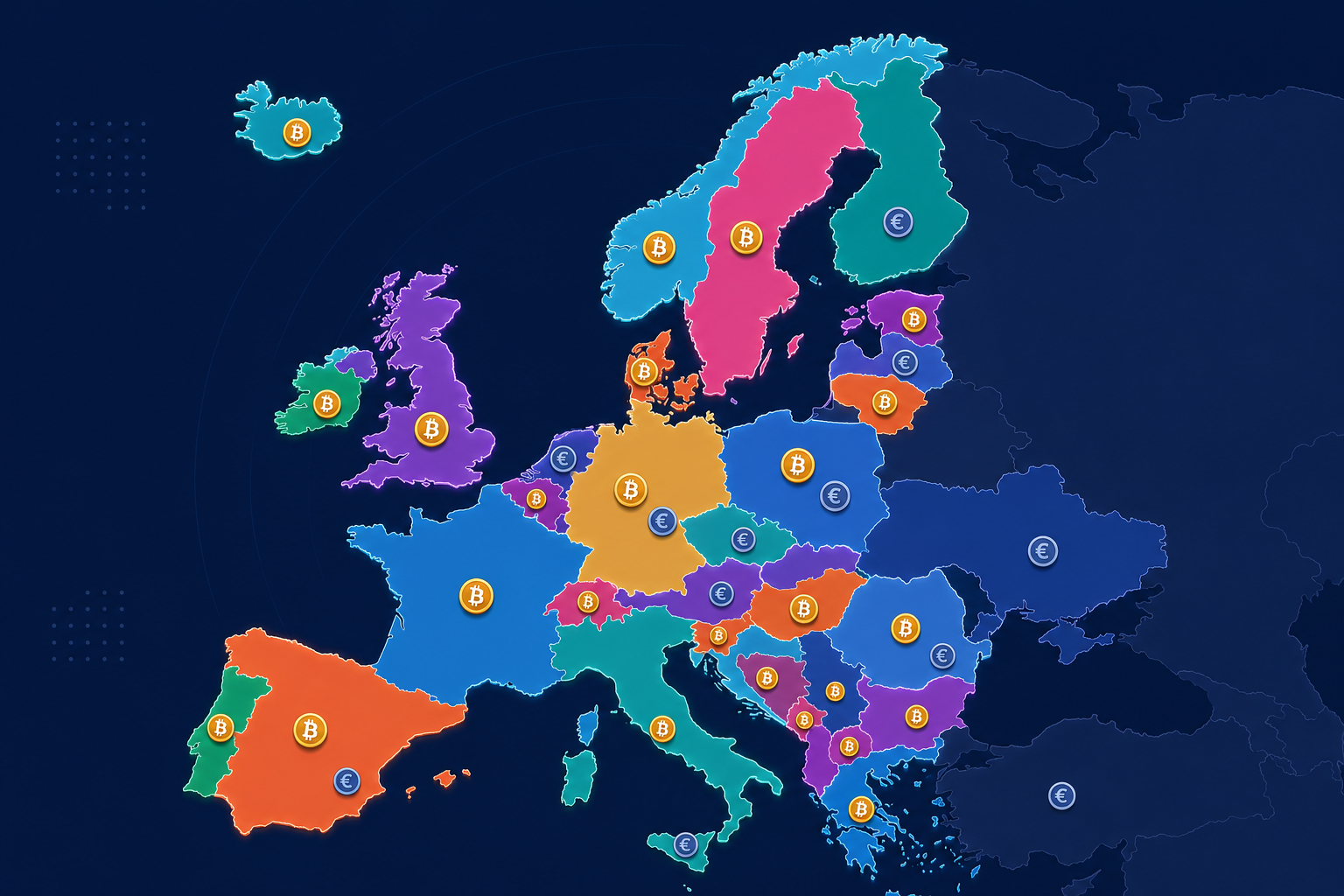
Crypto tax in Europe varies hugely, from Germany's tax-free long-term holding to France's flat 30% rate. This 2026 comparison breaks down rates, exemptions and rules across six major countries.

Cryptocurrency is taxed as property in most countries, so every sale, swap, or spend can trigger capital gains or income tax. This complete guide explains how crypto is taxed and how to stay compliant.
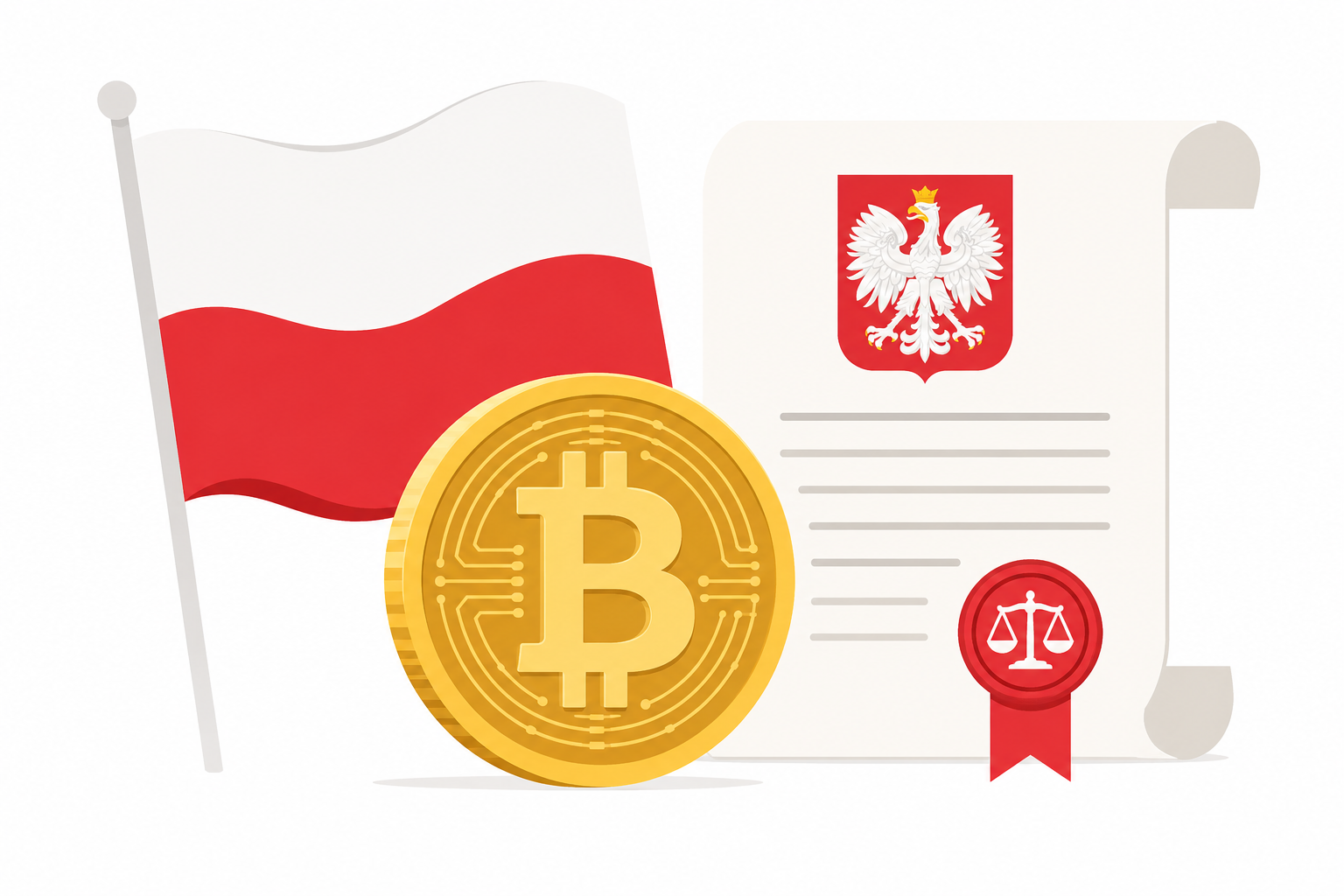
Poland taxes cryptocurrency gains at a flat 19% rate, reported on the PIT-38 form. This guide explains what is taxable, what is not, and how Polish law treats swaps, staking, and DeFi.
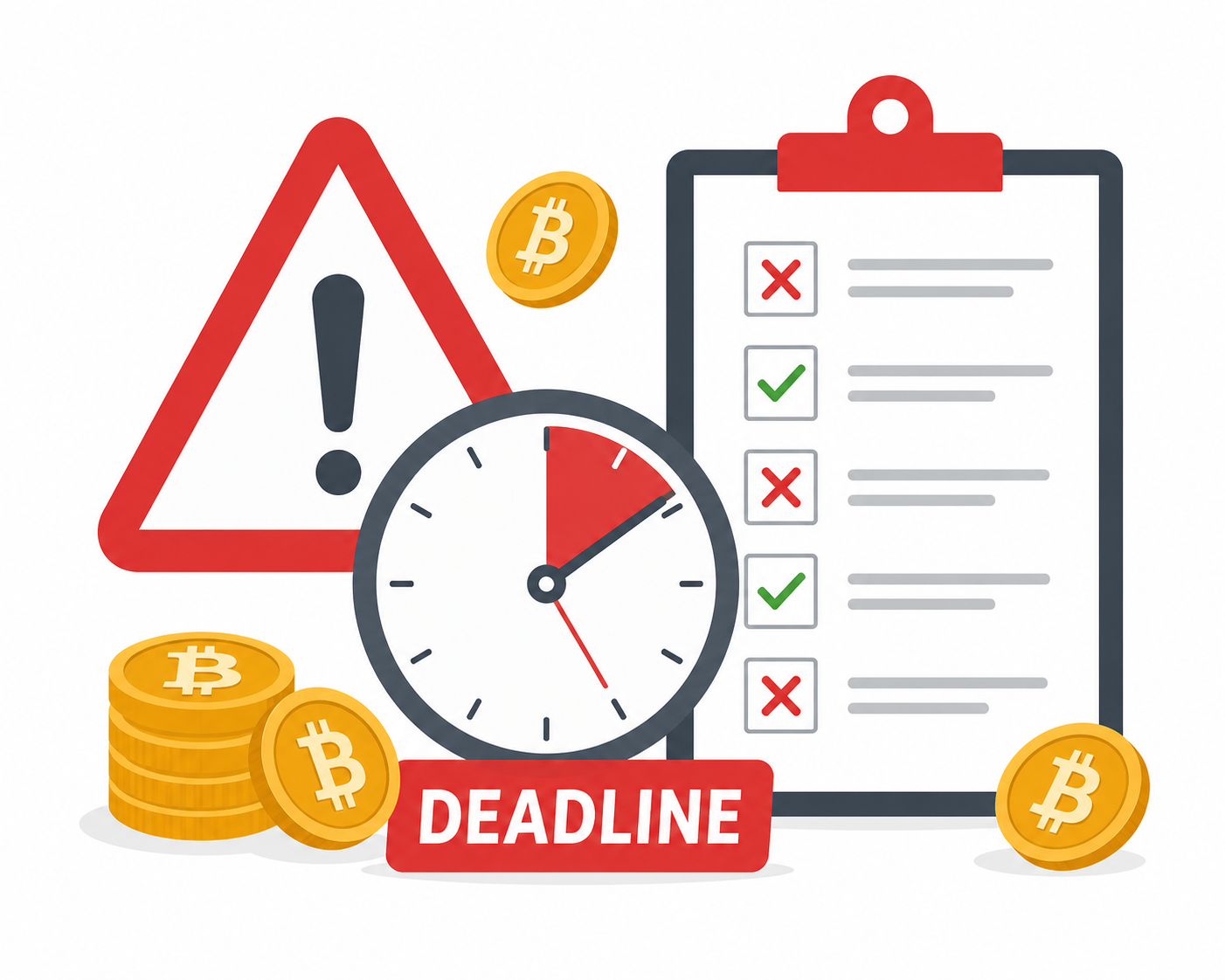
A flat 19% tax, an April 30 deadline, and strict rules on crypto-to-crypto swaps - yet many Polish investors still make costly errors. Here is what to watch out for.

Staking rewards, DeFi liquidity, NFT sales, airdrops and yield farming each carry their own tax rules. This 2026 guide explains how the most complex crypto activities are taxed.
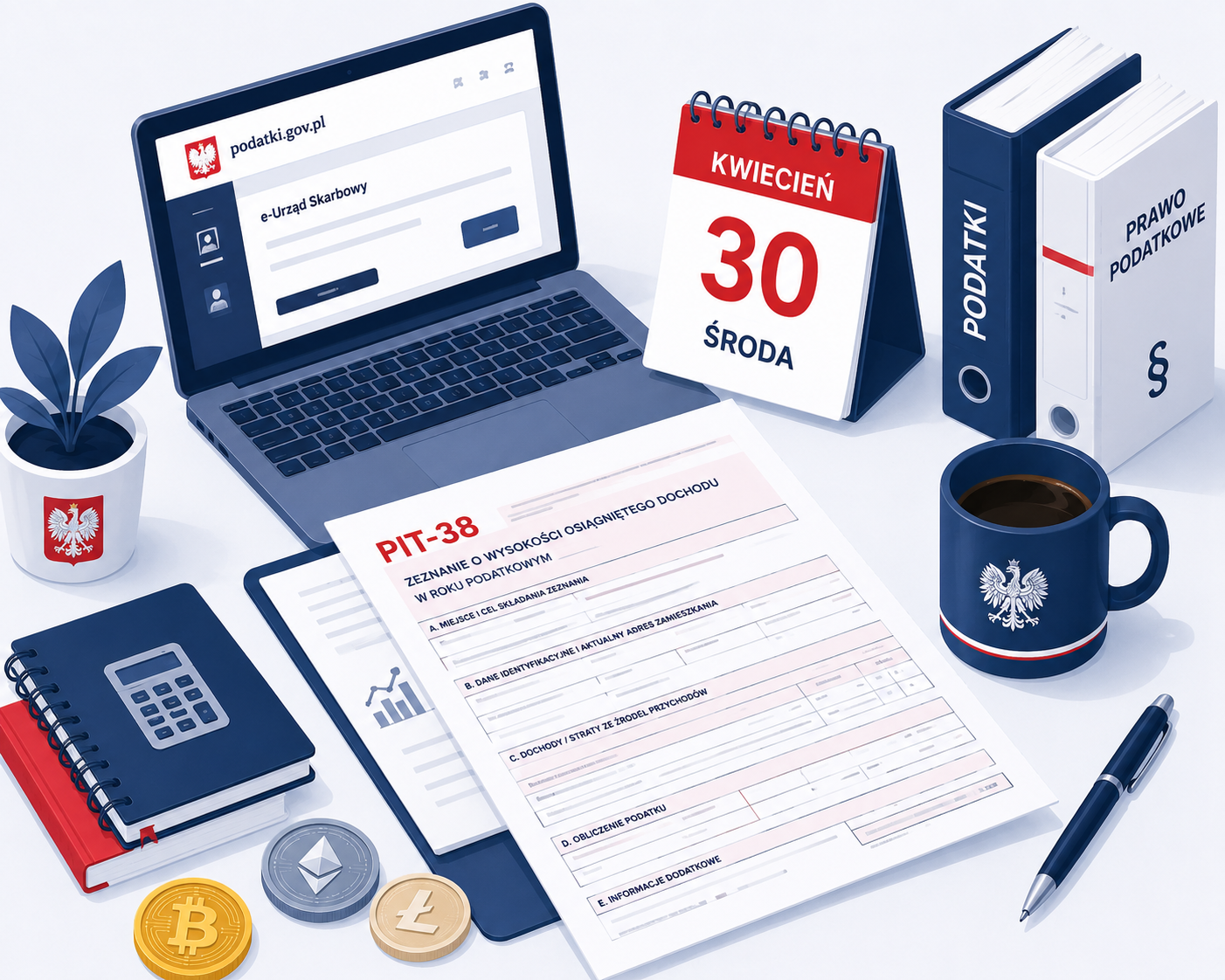
Polish tax residents report crypto disposals on the PIT-38 form by April 30 each year. This step-by-step guide covers records, PLN conversion, FIFO, Part F, and paying the 19% tax.

A patchwork of inconsistent rules creates uncertainty for investors, merchants, and tax authorities alike. Here is why clear crypto tax regulation matters - and what good regulation looks like.

Reporting crypto taxes means gathering records, calculating cost basis, categorising income, and filing the right forms. This step-by-step 2026 guide walks you through the whole process.

 GriffNode