Practical tutorials and comparisons for merchants accepting cryptocurrency.

Everything merchants need to start accepting Bitcoin payments: wallet and xPub setup, gateway integration, confirmation handling, fees and the questions merchants ask most.

Before you pick a crypto payment gateway, know exactly what you are charged. This guide breaks down every fee, compares the major gateways, and shows the real cost vs cards.

Most crypto losses are not exchange hacks. They are avoidable wallet-security mistakes, from storing a seed phrase digitally to blind approvals. Here are the seven, and how to avoid each.

Not your keys, not your coins describes a real technical truth, not a slogan. A plain-English guide to self-custody and why holding your own keys is what actually protects your funds.
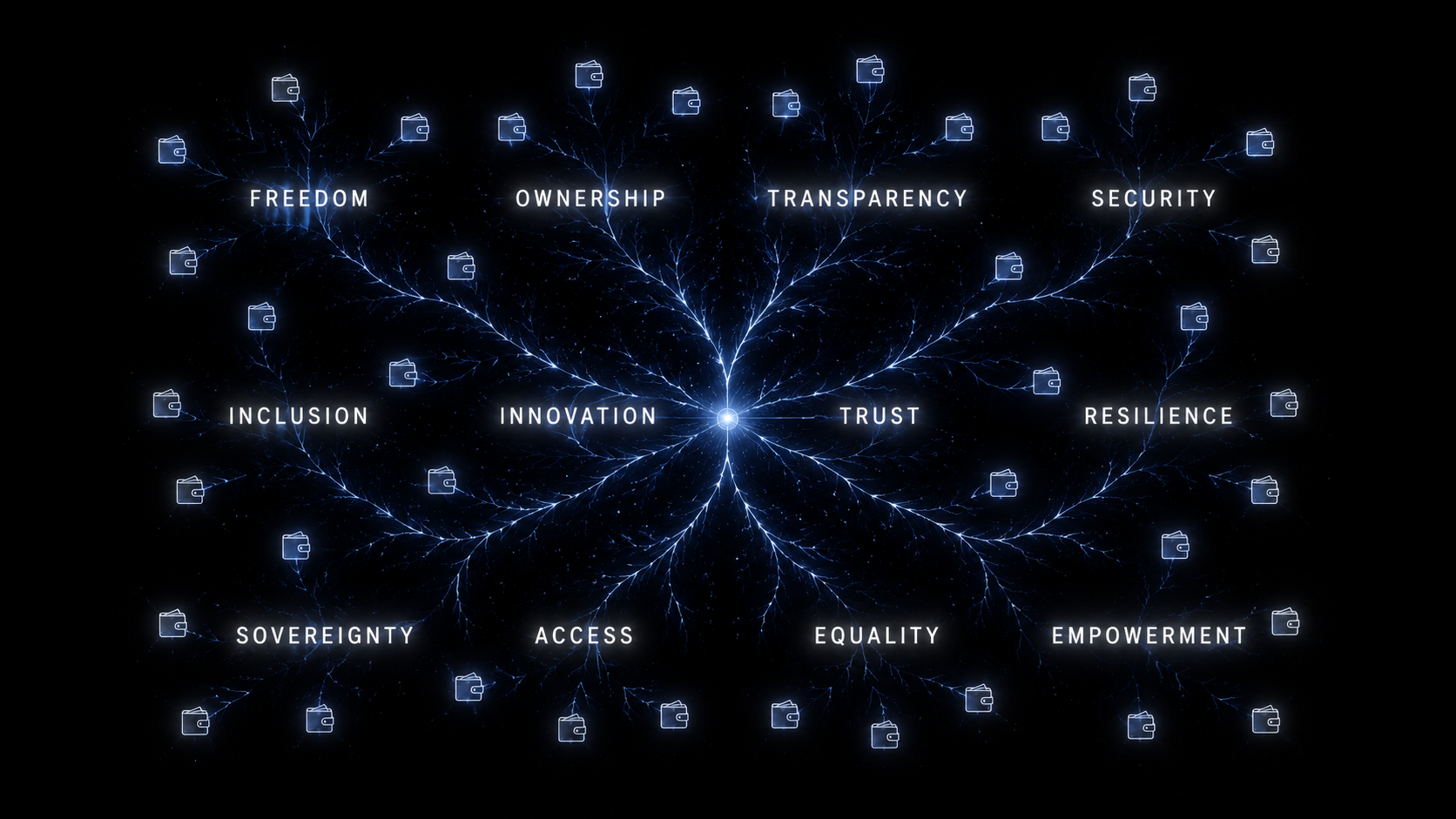
A hierarchical deterministic (HD) wallet generates thousands of unique addresses from a single seed phrase, and recovers every one from those words alone. Here is how that works and why it matters.

An xPub key lets one extended public key generate unlimited Bitcoin addresses without exposing your private key. It is the reason non-custodial payments work and your funds stay yours.

The questions merchants ask before accepting crypto payments, answered honestly without the hype: fees, taxes, volatility, refunds, security, and setup.

USDT is the most widely used stablecoin. Here is everything you need to start accepting it - including which network to choose, wallet setup and why a $1 peg removes rate-lock anxiety.
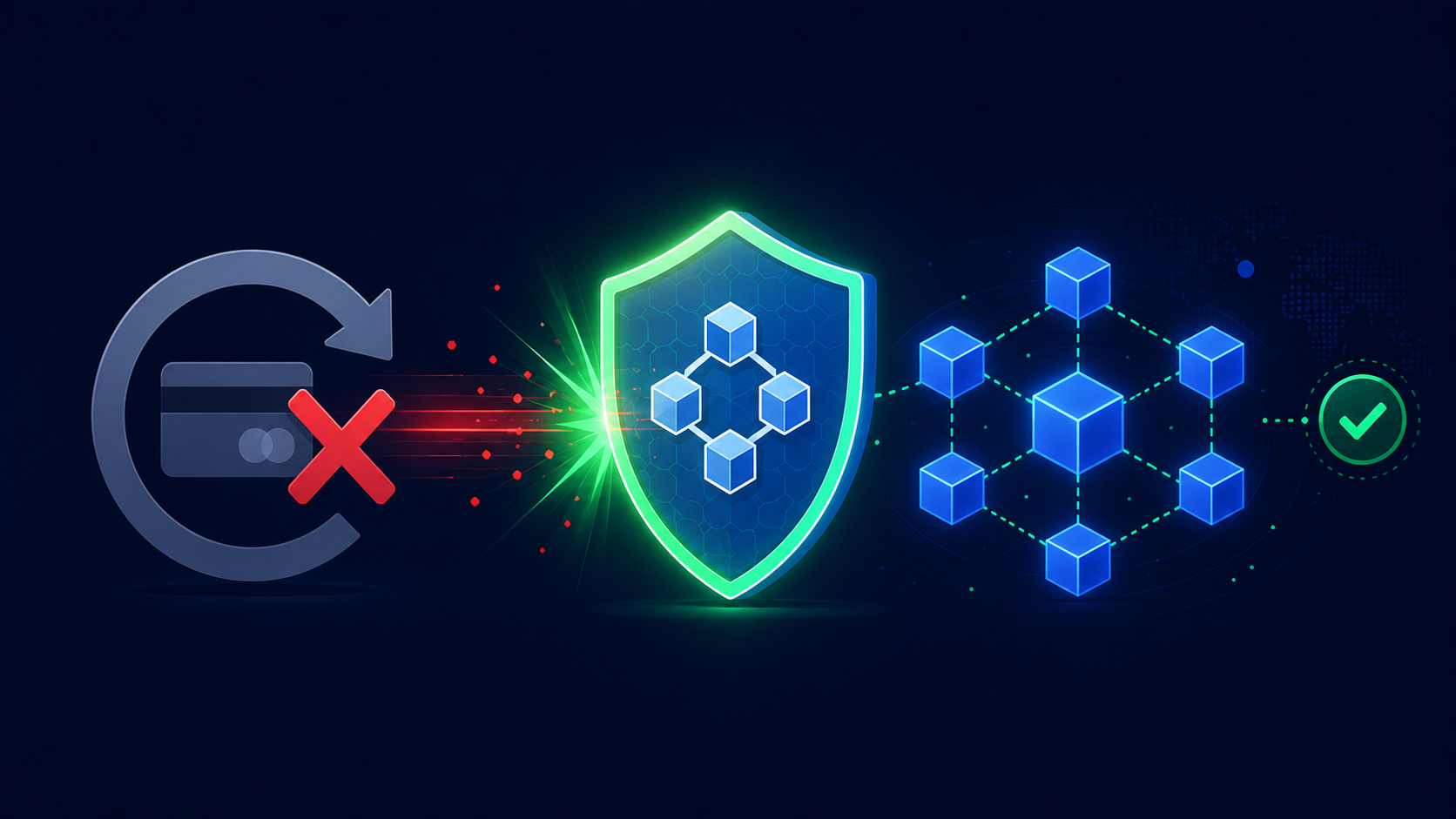
Chargebacks cost merchants $125 billion a year. Crypto payments eliminate chargebacks by removing the mechanism that makes them possible. Here is how and why.

A clear, no-jargon explanation of what a crypto payment gateway does - from generating a unique address to funds landing in your own wallet - and how custodial and non-custodial models differ.

A practical walkthrough for merchants who want to accept Bitcoin, Ethereum, USDT and more on their website - without custodians and without paying 3% card fees.

 GriffNode