
 GriffNode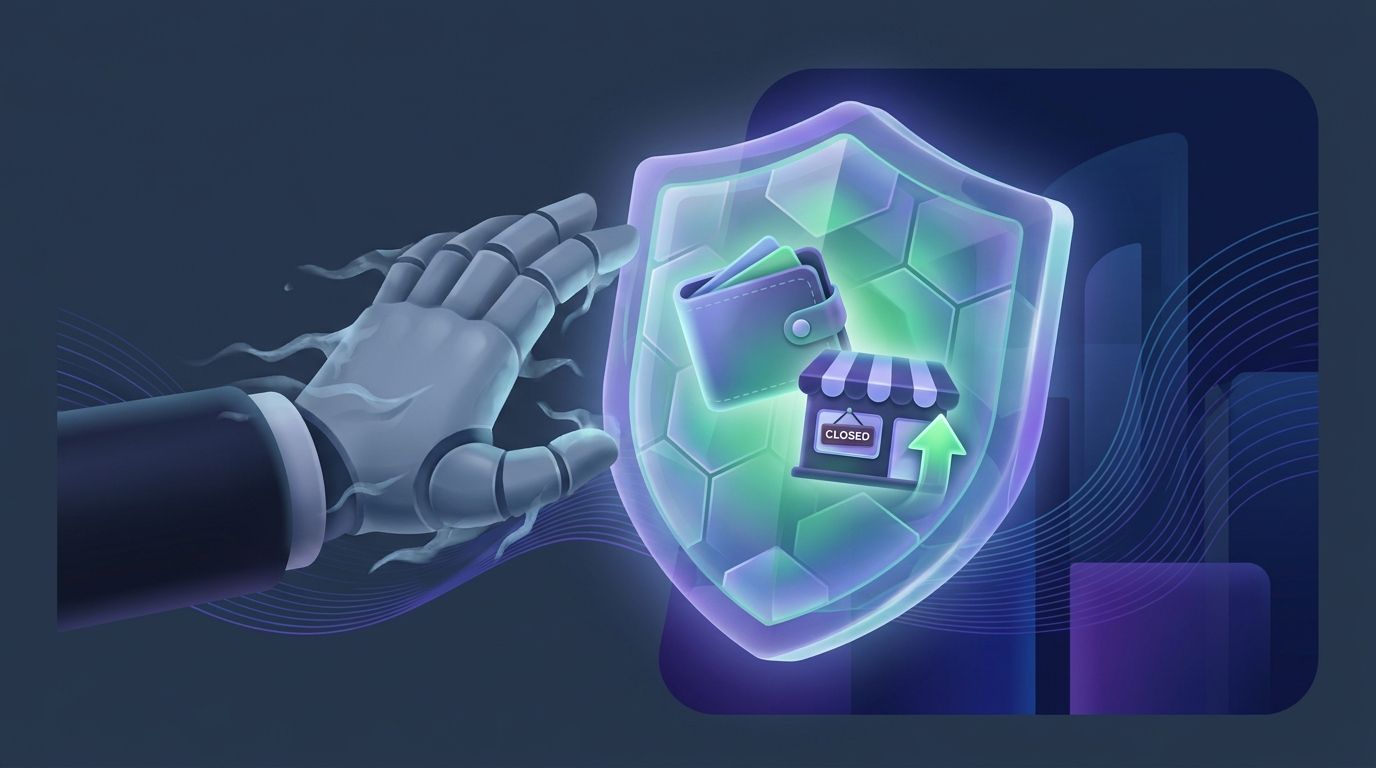
How crypto payments protect against debanking
Crypto payments protect against debanking by removing the middleman that makes debanking possible. With a non-custodial gateway, your customer pays directly into a wallet only you control, so there is no account a bank can close, no balance it can freeze, and no underwriting you can fail. Take the third party out of the flow of funds and the power to debank you disappears with it. That is the entire idea, and below is how it works in practice.
Debanking works because someone holds your money
Every debanking story has the same shape: a bank or processor sits between you and your revenue and decides you cannot have it. They can do this only because the money flows through them first. A non-custodial payment rail breaks that shape by settling funds straight to you.
What non-custodial actually changes
With a non-custodial gateway, your customer's payment settles directly into a wallet only you control. The gateway never holds a balance on your behalf, so:
- There is no account to close. You are not a customer whose relationship can be terminated.
- There is no balance to freeze. Funds are in your wallet the moment they confirm on-chain.
- There is no underwriting to fail. No risk review, no high-risk category, no KYC gate.
- There are no chargebacks. Settlement is final, so disputes cannot claw funds back.
Be careful here: custodial crypto processors — the kind that take your payment into their own balance and pay you out later — reintroduce exactly the risk you are trying to escape. The protection only holds if funds never pass through the provider.
Custodial vs non-custodial: why the difference matters
| Bank / custodial processor | Non-custodial crypto rail | |
|---|---|---|
| Who holds the funds | The provider | You, in your own wallet |
| Can they freeze a balance? | Yes | No balance exists with them to freeze |
| Can they close your account? | Yes | There is no account on their books to close |
| Underwriting / risk review | Required, can fail | None |
| Chargebacks | Possible | Settlement is final |
How to set it up
GriffNode is non-custodial by design. You connect your own wallet via an xPub once; from then on, every payment generates a fresh address and settles straight to you. Going live takes minutes:
- A no-code payment link to send anywhere.
- A hosted checkout page for your store, including Shopify and WooCommerce.
- The API and SDKs if you want it wired into your site, with webhooks for automatic fulfilment.
You accept Bitcoin, Ethereum, Litecoin, Dogecoin, Dash, and stablecoins like USDT and USDC, with flat monthly pricing and a free tier.
Use it as insurance, not an all-or-nothing switch
Most businesses do not drop their bank — they add an un-debankable rail beside it. If they are ever frozen or cut off, revenue keeps flowing on the channel no one can touch. For the wider context, see what debanking is, who is most at risk, and how to keep getting paid after being debanked. Start free with GriffNode and make your revenue impossible to switch off.
Frequently Asked Questions
Can a bank or processor freeze crypto payments?
Not with a non-custodial gateway. Because the funds settle straight to a wallet you control and never sit in the provider's balance, there is nothing for a bank or processor to freeze or hold. The protection depends on the rail being truly non-custodial.
How does non-custodial crypto stop debanking?
Debanking requires a third party that holds your money and can decide to cut you off. A non-custodial rail removes that party: your customer pays directly to your wallet, so there is no account to close, no balance to freeze, and no risk review to fail.
Are custodial crypto processors safe from debanking?
Less so. Custodial crypto processors take your payment into their own balance before paying you out, which reintroduces the same freeze-and-close risk as a bank. The debanking protection only holds when funds never pass through the provider.
Do I have to stop using my bank to be protected?
No. Most merchants keep their bank and add a non-custodial crypto rail alongside it as insurance. If the bank ever freezes or closes the account, payments continue uninterrupted on the channel no one else controls.
What coins can I accept with a non-custodial gateway?
With GriffNode you can accept Bitcoin, Ethereum, Litecoin, Dogecoin, and Dash, plus stablecoins like USDT and USDC, all settling directly to your own wallet with flat monthly pricing and no per-transaction fee.