
 GriffNode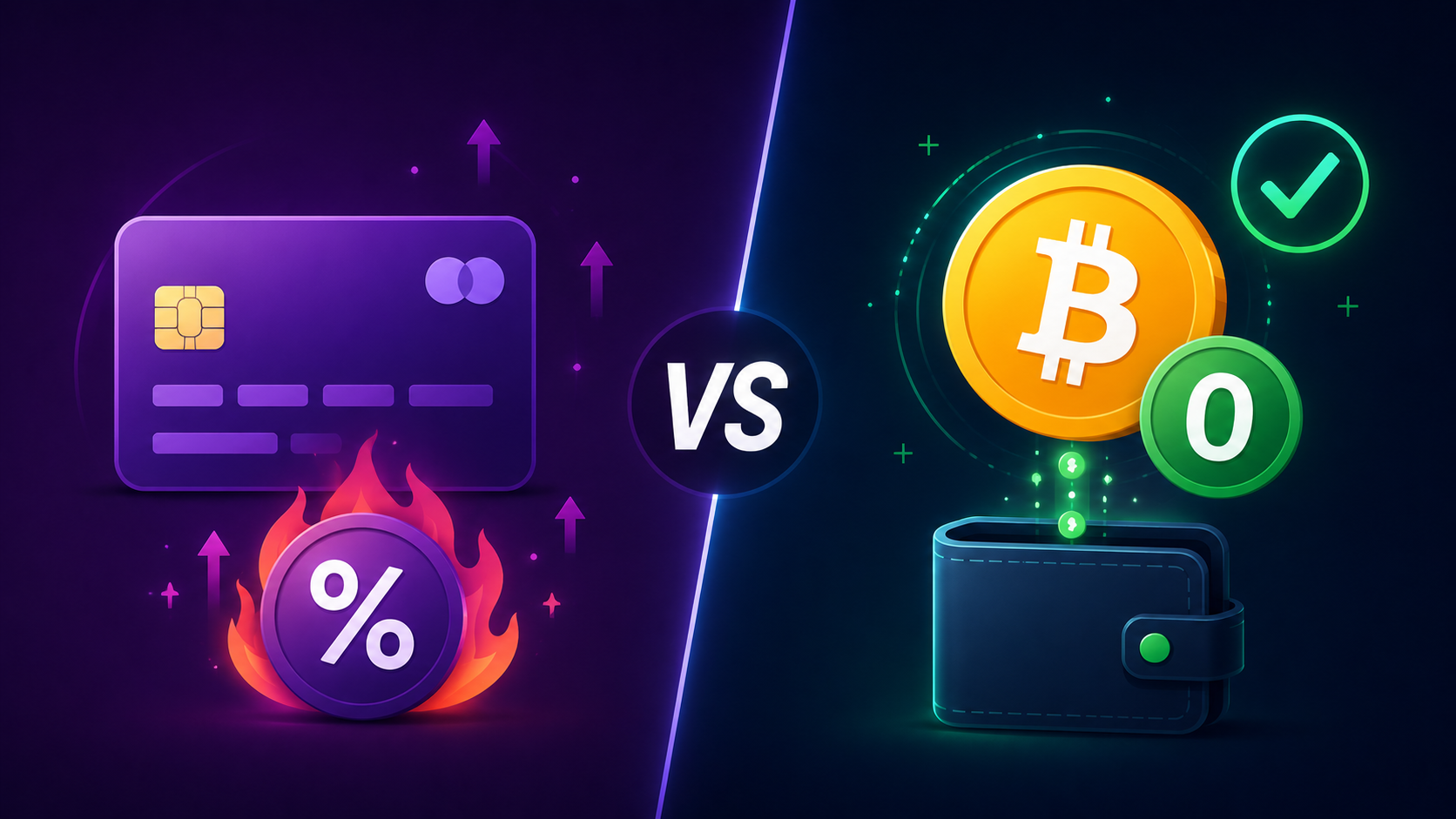
Stripe charges 2.9% + 30c per transaction; a flat-monthly crypto gateway like GriffNode charges 0% per transaction. On $100,000/month that is roughly $3,000 to Stripe versus a fixed plan fee with crypto, plus no chargebacks and direct-to-wallet settlement. But Stripe still wins on customer reach and fiat banking. Here is the honest comparison of crypto payments vs Stripe, where each wins, and who should actually switch.
The case against Stripe (from the numbers)
Stripe is an excellent product. The developer experience is unmatched, the documentation is thorough, and the global card coverage is hard to beat. But the fees compound fast:
- Standard rate: 2.9% + 30c per transaction
- International cards: +1.5%
- Currency conversion: +1%
- Dispute/chargeback fee: $15 per dispute (whether you win or lose)
- Stripe Radar (fraud protection): +5c per transaction (optional)
A merchant processing $50,000/month pays roughly $1,500 in Stripe fees alone, about $18,000/year. Add chargebacks and international surcharges and the real cost climbs further.
What does a crypto gateway cost instead?
GriffNode charges zero per-transaction fees. A flat monthly plan covers all transactions regardless of volume, the same whether you process $5,000 or $500,000 that month. No chargebacks, no international surcharges, no currency conversion fees. Funds arrive directly in your wallet at transaction confirmation because the gateway is non-custodial.
Crypto payments vs Stripe: feature comparison
| Feature | Stripe | GriffNode |
|---|---|---|
| Transaction fee | 2.9% + 30c | 0% (flat monthly plan) |
| Chargeback risk | Yes - $15+ per dispute | No - crypto is irreversible |
| International surcharge | +1.5% | 0% |
| Settlement speed | 2-7 business days | Minutes (on-chain confirmation) |
| Account freezes | Possible, without notice | Not applicable - non-custodial |
| KYC requirement | Full business verification | None |
| Fiat in bank account | Yes (automatic) | No - you receive crypto |
| Customer reach | Anyone with a card | Anyone with crypto |
| API quality | Industry-leading | Clean REST API with webhooks |
Against other crypto processors, GriffNode's 0% per-transaction line undercuts BitPay (about 1%), Coinbase Commerce (about 1%), NOWPayments (0.5-1%) and CoinPayments (about 0.5%). For a wider list of card-free options, see the best Stripe alternatives for 2026.
Where Stripe wins
Be honest with yourself before switching:
- Customer reach: The vast majority of online shoppers still pay by card. Replacing Stripe entirely excludes a large part of your market. Crypto is an addition, not always a replacement.
- Fiat settlement: Stripe deposits USD/EUR into your bank account. GriffNode sends crypto to your wallet; you convert to fiat separately if needed.
- Subscriptions: Stripe's recurring billing is mature. Native crypto recurring billing is harder; each invoice is a separate on-chain transaction. See crypto payments for SaaS subscriptions.
- Tax reporting: Stripe generates forms like the US 1099-K automatically. Crypto tax tracking needs separate tooling - see our crypto tax guide.
Where crypto wins, decisively
- High-volume merchants: At $100,000/month, Stripe costs roughly $3,000. GriffNode costs a flat plan fee.
- Digital goods sellers: Chargebacks are the main risk for digital products. Crypto eliminates them - see crypto for digital products.
- International merchants: Customers in countries with weak card infrastructure or high conversion fees can pay in crypto without friction.
- Privacy-conscious buyers: Crypto purchases leave no card trail and require no personal information.
- Restricted industries: Stripe declines certain business types; crypto gateways generally do not impose the same restrictions.
The smart approach: offer both
Most merchants who add GriffNode do not remove Stripe; they add a "Pay with Crypto" option at checkout. Doing so typically captures crypto-native customers, shifts some card volume to a zero-fee channel, and removes chargebacks on every crypto order.
Who should replace Stripe entirely?
Full replacement makes sense if your customer base is crypto-native (Web3, NFT, DeFi), you sell into markets where card acceptance is poor, you operate in an industry Stripe refuses, your chargeback rate threatens your account, or you would rather hold crypto than convert to fiat.
Getting started with both
You can add GriffNode alongside Stripe in an afternoon: create a free account (no KYC), add a crypto checkout option via the Shopify guide or WooCommerce guide, and measure the split after 30 days.
Frequently Asked Questions
Is crypto cheaper than Stripe?
For per-transaction cost, yes. Stripe charges 2.9% + 30c per sale plus surcharges, while GriffNode charges 0% per transaction on a flat monthly plan. The more you process, the larger the gap.
Can crypto fully replace Stripe?
It can for crypto-native businesses, restricted industries, or merchants in poor card markets. For most stores, crypto works best added alongside Stripe so you keep card-only customers.
Do crypto payments have chargebacks like Stripe?
No. Crypto payments are irreversible once confirmed on-chain, so there are no chargebacks and no $15 dispute fees. This is a major saving for digital goods sellers.
Does GriffNode require KYC like Stripe?
No. Stripe requires full business verification. GriffNode is non-custodial and does not require KYC, since funds settle directly to your own wallet.
How do I get fiat if I accept crypto instead of Stripe?
Use stablecoins like USDT or USDC, which are pegged 1:1 to the dollar, or convert BTC/ETH to fiat on an exchange. You receive crypto in your wallet first, then convert if your expenses are in fiat.
What GriffNode costs
GriffNode charges a flat monthly fee and takes no percentage of your sales. Starter is free, Business is $49 a month and Professional is $129 a month. Process $1,000 or $1,000,000 and the price does not change. See the pricing page for what each plan includes, or work out what your current processor is really costing you with the crypto fee calculator and the chargeback cost calculator.